
Autoplay on online pokies with autoplay feels handy until the spin counter outruns your bankroll plan. I have watched operator teams ship features that look slick on a demo screen and then flatten a player’s session the first time a loss run hits. The trick is to treat the button like a commercial product you are testing: define the inputs, cap the exposure, and measure what actually happens before you lean on it on a quiet arvo. That mindset is what separates a polished feature from one that quietly burns through credit.
How Autoplay Actually Behaves on the Screen
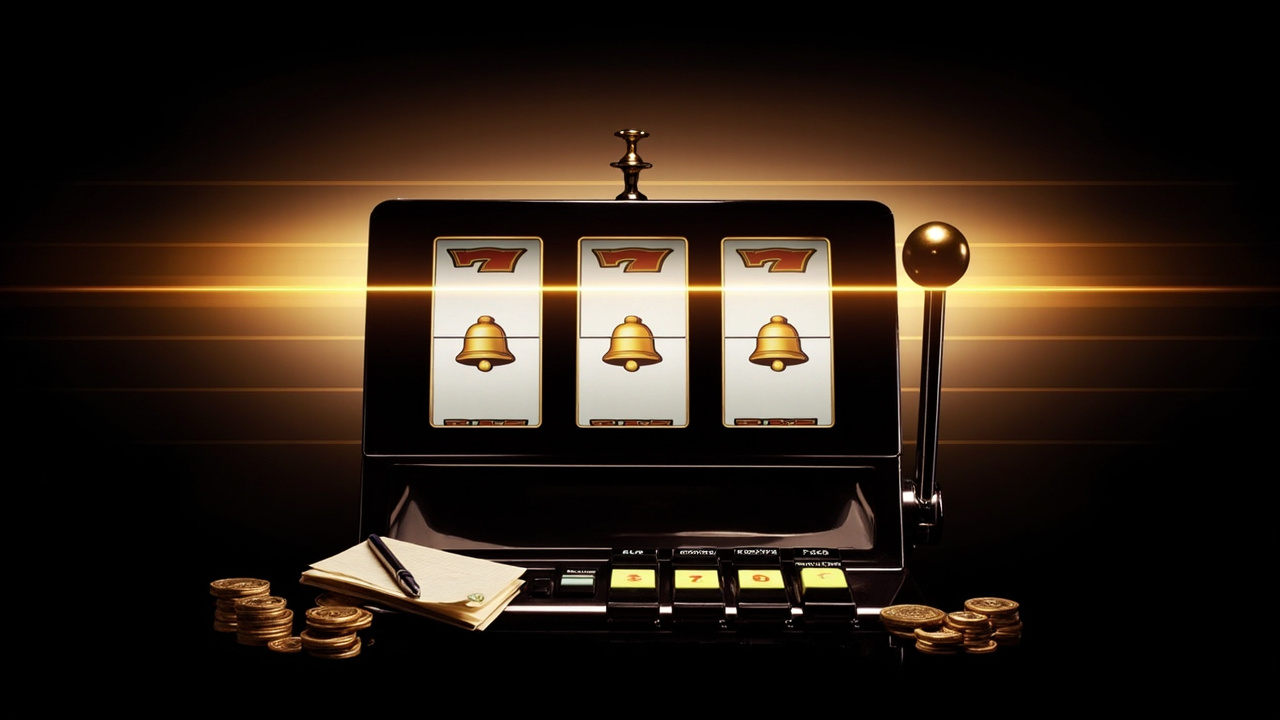
When you toggle online pokies with autoplay, the interface usually asks for a stop condition before the first spin lands. That is where the design either earns trust or starts sliding. A sensible build lets you set a target win, a loss ceiling, and a fixed spin count, then pauses cleanly when any one of those thresholds is reached. I have seen commercial products fail because the cancel path was buried behind a second tap, so the session kept running while the player was already making a coffee. The local parallel is a ringie keeping the two-up ring honest: the ringie does not play for you, but the ring only runs because someone is watching the pace and calling when it goes sideways. That same discipline matters here, because autoplay is just a delivery mechanism, and the stop rules are what keep it from becoming a background expense.
- Set a loss limit that matches the session you actually planned, not the one you hope to have.
- Cap the win target so a decent run ends on your terms instead of drifting back down.
- Choose a spin count only when you want volume, not when you are chasing a number you saw on another screen.
- Keep the pause button visible, because a feature you cannot stop quickly is a feature you should not start.
The providers bundled into a lobby matter here too, because the same autoplay setting can feel different depending on how fast the rounds resolve and how the paylines settle. A slower title gives you more time to notice a trend, while a faster one can make a modest stop condition feel late. If you are testing a new game, I usually run a short burst first and watch whether the session behaves the way the settings promised. Andrew Brown, Head of Analytics, Kangaroo Point Analytics, has put it plainly in my conversations: “The feature is only as useful as the stop rules around it, and most players skip that part.” That is the sort of call I agree with, because a polished button without a real exit is just momentum with no guardrail.
Bonus Rules and Promo Limits That Change the Maths
The welcome offer is where autoplay starts to interact with real account rules, and that is where a lot of players misread the deal. A typical structure might be a match on your first deposit, a wagering requirement that sits around thirty-six times the bonus and any attached free spin winnings, and a contribution rate that treats pokies differently from table games. Eligibility usually ties back to a first deposit from a new account, with a time window to claim and a cap on the maximum bonus you can activate. Contribution matters because not every round counts the same way toward clearing the requirement, so a feature that spins for you still has to live inside the terms. I have judged commercial offers by how clearly they state the limits up front, because vague wording usually means the restriction shows up later, when you are already invested in the session.
Recurring promos can soften the edge if they are written plainly, but they also add another layer of limits to track. A weekly free spin drop, for example, might carry its own win cap and its own expiry, which means the autoplay session you build around it needs to respect both the feature and the promo terms. Daniel Graham, Marketing Director, Top End Gaming Advisory, has noted in my discussions that “recurring promos work when the limits are easy to read at a glance, and they drag when the player has to reconstruct the rules mid-session.” That is a fair test, because a feature you cannot map quickly is a feature you end up using by guesswork. Payments and currency also feed into this: if your account is running in Australian dollars and the bonus has a fixed ceiling, the autoplay stop conditions should be set with that ceiling in mind, not with a vague hope that the numbers will sort themselves out. The practical move is to read the contribution table, note the wagering, and then decide whether autoplay is even the right tool for that particular offer.
When Autoplay Fits a Session and When It Does Not
Autoplay earns its place when you want a steady run without tapping every single result, but it is not the right fit for every moment. If you are settling in for a focused block and you have already set your stop rules, the feature can take the repetitive load off your hands. If you are playing reactively, changing settings halfway through, or using it to avoid watching the balance, then the feature is doing the opposite of what you meant. I have seen operator teams treat convenience as the whole story, when really the value is in how cleanly the session ends. The local comparison that sticks with me is a Wollongong summer afternoon when the surf is busy but the rip is moving faster than it looks: the ocean is not suddenly dangerous, but the pace changes what you can safely do without thinking. Autoplay is similar. It is not a problem by itself, but it rewards a plan and punishes improvisation.
When you are ready to let the algorithm do the heavy lifting, make sure you know where to find the latest configuration options. You can review the detailed setup guide at https://fullmetalgalaxy.com/au1/ to ensure your boundaries are respected. This way, the feature remains a helpful tool rather than a distraction.
Mobile play changes the rhythm a bit, because the same settings sit on a smaller screen and the pause action has to be easy to reach without hunting. Support matters here too, because if a session stops in a way you did not expect, you want a clear path to ask what happened rather than guessing at the terms. Lily Campbell, Digital Acquisition Director, Coral Coast Interactive, has said in my conversations that “the best autoplay setups are the ones where the player can see the stop conditions before the first spin, not after.” That is the kind of design call I back, because it puts the decision in front of the player where it belongs. If you are near Wollongong and you are playing on a break between things, the practical question is whether the session is set up to end on your terms. If it is, autoplay can be a useful tool. If it is not, the button is just another way to keep the wheel turning.