
Walking up to a craps table can feel like stepping onto a busy stage without a rehearsal. The dice are rolling, the crowd is calling, and there is a rhythm to the whole thing that you only catch once you know where to stand and when to speak. This craps table etiquette guide breaks down the practical habits that keep you in sync with the table, because good manners are really just another way of reading the room before the next roll.
Reading the Floor Before You Place a Bet
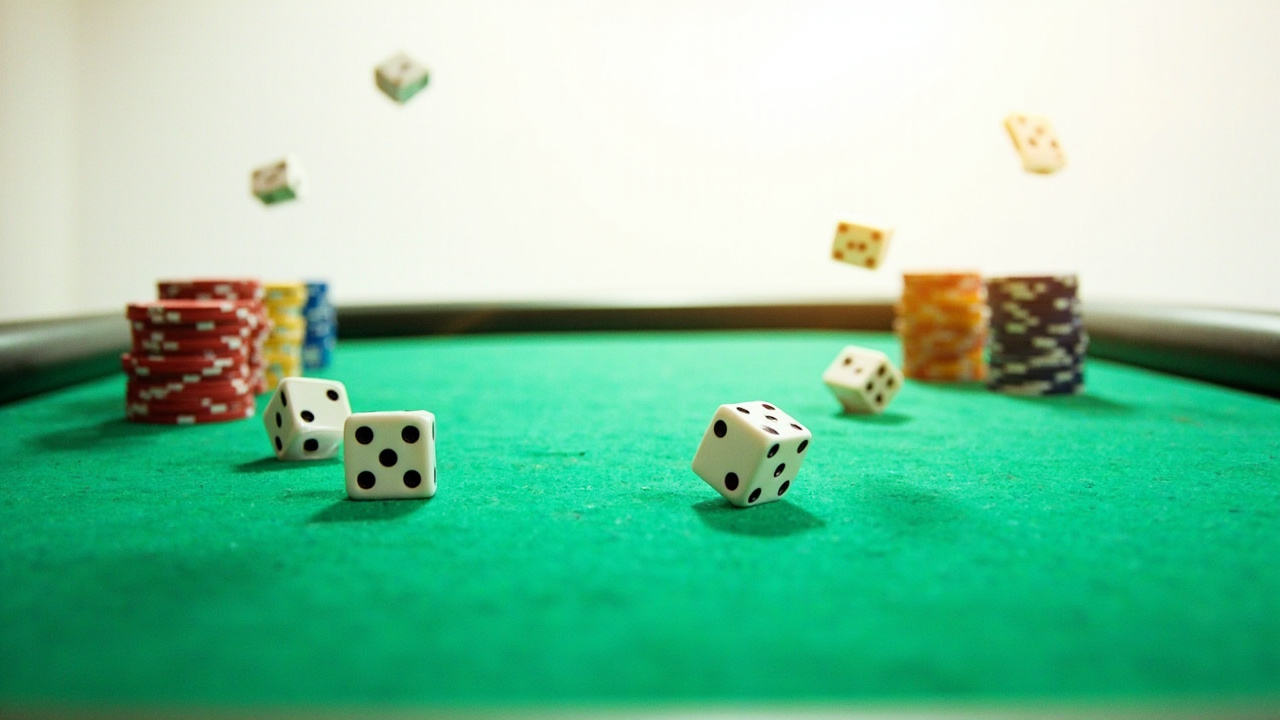
A craps table runs on timing the way a rhythm section runs on a count, and the first thing to learn is where your hands belong. Keep your chips in front of you, wait for the stickman to finish distributing the winning bets, and never reach across the layout while the shooter is setting the dice. I have spent fifteen years modelling table throughput and production schedules, and the same discipline applies here: if you crowd the pass line or lean over the puck, you slow the whole tempo down and the dealer has to call a reset. The dealers are the bandleaders in this room, so let them cue the next round and take your turn when the puck is clearly off.
If you want to test the pace before committing real money, you can watch a few rounds at a royalreels-nodeposit-aus.com session and notice how the table settles into its own groove. That kind of low-pressure observation is useful because it shows you which bets move quickly and which ones sit heavy in the queue. I also spent years working through honours-level jazz training, where listening to the space between notes matters as much as the notes themselves, and craps is no different. The quiet moments tell you when the table is hot, when it is cooling off, and when it is time to keep your stack folded until the next come-out.
A few habits keep you in good standing with the crew and the other players:
- Keep your bets within the marked lines so the dealers can clear and pay without brushing your chips
- Call your bet out loud or point clearly, because a mumbled wager slows the stickman and invites mistakes
- Let the winning chips sit until the dealer collects them, rather than sweeping them up mid-pay
- Step back from the rail when the dice are in motion, so you are not blocking the sightlines of the players beside you
Macau’s casinos generate several times the revenue of the Las Vegas Strip, and a big part of that comes from tables that run cleanly because regulars know the rhythm. You do not need to be a high roller to fit in; you just need to respect the pace and leave room for the next roll.
Matching Your Play to the Table’s Tempo
Not every session calls for the same kind of participation, and the smartest move is often to pick a spot that suits your patience and your bankroll. If you like a steadier ride, the pass line and come bets give you a clear structure without asking you to babysit every little marker. If you prefer more action and can handle the variance, the place bets and buy positions let you lean into specific numbers while you watch how the table behaves. Zoe Lewis, Independent iGaming Expert at Ironbark Compliance Advisory, has noted that players who understand the flow of a table tend to make calmer decisions under pressure, which is a useful reminder that etiquette and strategy are tied together. Olivia Watson, Marketing Director at Banksia Betting Partners, has pointed out that welcome offers and recurring promos only work well when the contribution rules and wagering requirements are clear before you start, so it pays to read the fine print instead of assuming a bonus will stretch across every bet type.
When you are comparing a welcome bonus and the promotions that follow it, the details matter more than the headline number. Look at how the offer is structured, what the wagering requirement actually asks of you, and which bets contribute fully versus those that count only partially. Eligibility windows, maximum bet limits during a bonus, and any caps on winnings can change the way a table feels, so treat the promotion like a tempo marking on a chart rather than a free pass. Recurring promos can be handy if they line up with your usual session length, but only if the contribution rates and withdrawal limits are spelled out in plain terms. I have built product schedules where a missed detail in the fine print derails the whole launch, and the same caution applies here: a bonus is only useful if you can actually work it into your rhythm without breaking the table rules.
The relaxed truth is that a lot of players reckon the best sessions are the ones where they do not have to fight the pace. If you are down in Cairns on a slow arvo and the table is busy as a lunch crowd, it is perfectly fine to sit the rail out for a while and let the dice find their own groove. No worries if you miss a couple of rolls; the next come-out will be there when you are ready, and the dealers would rather you wait than rush a bet that does not belong.
Keeping Your Spot Clean When the Dice Heat Up
The moment the table picks up, etiquette becomes less about polite gestures and more about not getting in the way of the people around you. Keep your voice at a conversational level, even when a number hits and the crowd starts calling, because the stickman still needs to hear the bets and the dealers still need to pay them in order. Do not hand chips to another player to place on their bet, and do not try to move someone else’s marker, because the table crew is responsible for every chip on the layout and they will call it out if something looks off. If you want to change your position on the rail, do it between rolls, not while the shooter is setting the dice, and give the crew a clear moment to reset the puck before you step back in.
If you are playing through an online session that mirrors a live table, the same habits carry over in a slightly different form. Clear bet calls, patient timing, and a clean stack matter just as much when you are watching a digital layout, because the rhythm of the game still depends on everyone reading the same cues. The best online rooms keep the pace honest and the rules visible, which is why a well-run royalreels-nodeposit-aus.com table can feel familiar even when you are not standing at a physical rail. I have worked on production lines where one unclear signal stops the whole floor, and a craps table is no different: clear calls and patient hands keep the game moving without anyone having to call a halt.
A couple of Cairns locals I have chatted with say the best tables are the ones where regulars know when to step back and let a new shooter settle in, which is a good reminder that etiquette is really about sharing the floor. If you are testing a welcome bonus or a recurring promo, keep your bet sizes within the limits that the offer actually allows, because stretching past the stated caps can void the contribution you were hoping for. Read the eligibility terms, note the wagering requirement, and check whether your preferred bets count fully before you commit to a session, because a clear plan beats a rushed one every time.
Good craps table etiquette is mostly about timing, clear calls, and leaving room for the next roll, which is exactly what keeps a table running smoothly. Pick the bets that suit your patience, read the bonus terms before you start, and let the rhythm of the table do the work while you stay in your lane.